



A Sauce to Be Reckoned With
A jar of pasta sauce made in Alma has a surprisingly long address book. Georgia farmers, an Italian family business, the Port of Savannah and a small Bacon County town all have a hand in getting it to the grocery aisle.
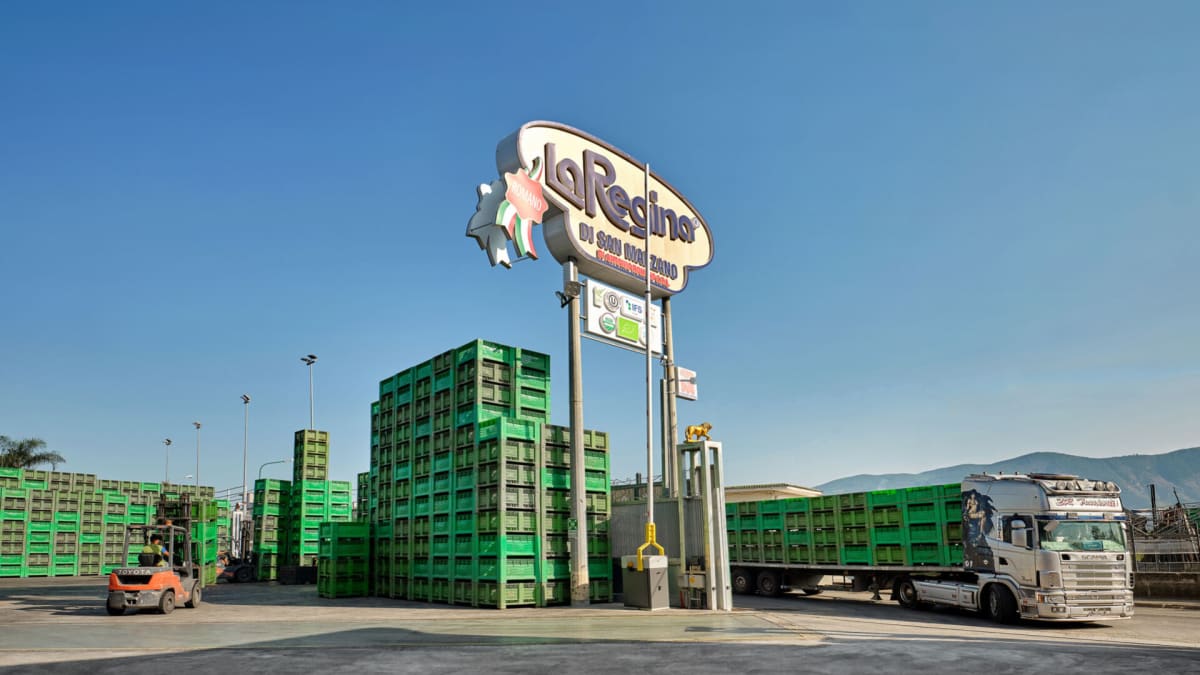
At La Regina Di San Marzano, that connection plays out inside a former bakery that had closed before the Italian food producer brought the building back into use. Today, the Alma operation employs about 110 people. In 2025, it produced a record 25 million jars of pasta sauce.
For a town of fewer than 4,000 residents, those numbers are more than factory trivia.
One Plant, a Much Bigger Footprint
Georgia highlighted La Regina in the 2026 State of the State address as an example of how a relatively small rural employer can reach well beyond its own payroll.
The company buys produce from more than 100 Georgia farmers, including over 40,000 pounds of onions each week. Tomatoes arrive from Italy through the Port of Savannah before making their way inland for processing.
That puts one jar at the intersection of farming, shipping, manufacturing and distribution, industries that can look unrelated until somebody starts tracing where the ingredients came from.
It also fits naturally into Southeast Georgia’s broader economy, where agriculture and food production remain closely connected. Bacon County supplies the rural setting and access to farm products, while Savannah provides an international gateway roughly 100 miles away.
When Agriculture Becomes Manufacturing
Georgia has deliberately built much of its food-processing industry around that combination. Farms provide ingredients. Transportation networks move them. Processing plants turn agricultural products into something ready for a store shelf, often creating jobs that remain tied to the places where those ingredients are grown.
In Alma, that chain also gave an old industrial building another purpose.
The scale is what makes the story interesting. Twenty-five million jars sounds enormous, yet the operation behind them is rooted in a town where a 110-person workforce can have an entirely different significance than it would in metro Atlanta.
And somewhere between an onion field in Georgia and tomatoes crossing the Atlantic, a grocery-store staple becomes a small lesson in how rural economies work.
For a closer look at the companies turning Georgia-grown ingredients into finished products, browse the Georgia Business Journal food manufacturers directory at https://gbj.com/food-manufacturers.
