



Clear the Runway for Access!
For travelers with disabilities, a flight can involve obstacles long before takeoff. Atlanta-based Delta Air Lines is working to change that, introducing accessibility improvements designed to make flying more manageable, comfortable, and independent.
The effort comes as the aviation industry marks 40 years since the Air Carrier Access Act of 1986, federal legislation that prohibited disability discrimination in air travel. For Delta Air Lines, the anniversary offers an opportunity to examine how aircraft design, technology, and customer service can better accommodate passengers whose needs have too often been overlooked.
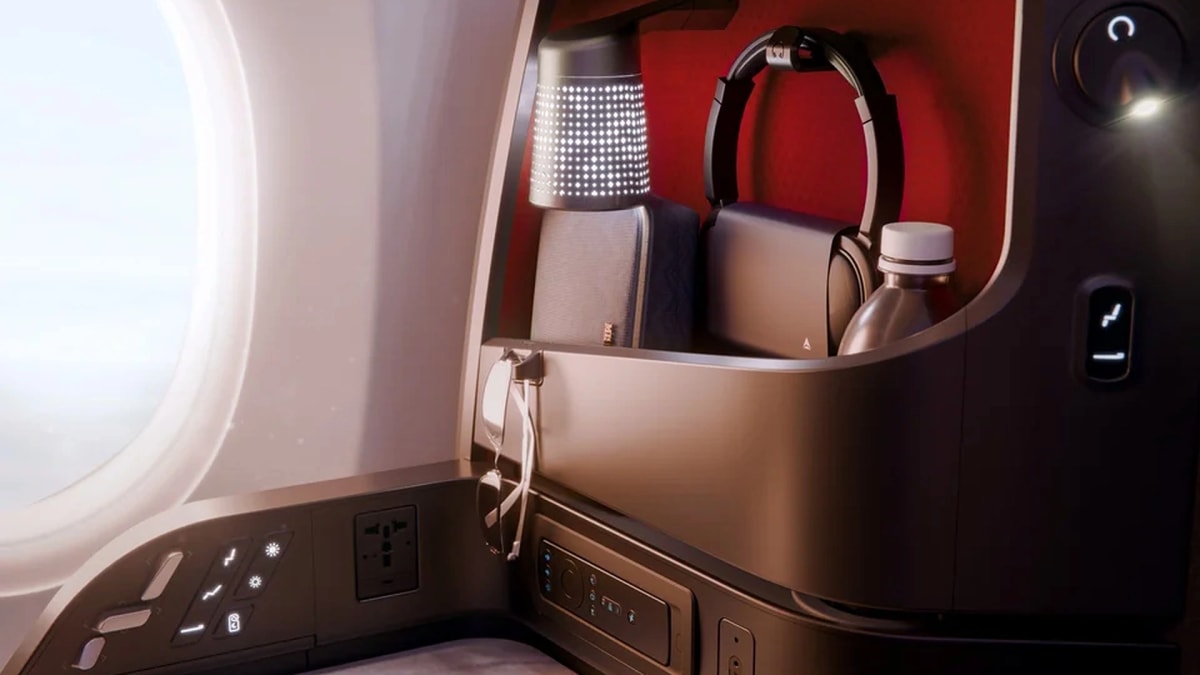
According to Delta's recent accessibility update, improvements include tactile controls on Delta One seats, allowing passengers with visual impairments to navigate seating features more independently. Tactile lavatory features and a dedicated wheelchair-accessible restroom on select new aircraft are also among the enhancements being introduced.
The changes extend well beyond seats and restrooms. Delta now provides closed captions for all English-language inflight entertainment and is expanding audio-described programming for passengers with visual impairments. Important inflight announcements also appear on seatback screens, helping travelers who are Deaf or hard of hearing receive information that might otherwise be missed.
Planning a trip is getting attention, too. Updates to Delta.com and the Fly Delta app allow customers to communicate accessibility needs and share information about mobility devices before traveling. For passengers who rely on wheelchairs or specialized equipment, those details can be especially important.
Much of this work draws on a resource Delta established nearly three decades ago: its Advisory Board on Disability and Accessible Travel. The airline was the first U.S. carrier to create such a board, bringing frequent flyers with disabilities into conversations about policies, employee training, and the customer experience.
The board includes Georgians Minna Hong, a former spinal cord injury peer support manager at Atlanta's Shepherd Center, and Rashad Morgan, an accessibility services leader at Emory University. Their participation gives the Atlanta-based airline a direct connection to disability advocacy and expertise in its own backyard.
Aircraft upgrades and digital tools are meaningful investments, but their effectiveness ultimately depends on how well they address passengers' everyday experiences. Delta's continuing challenge is turning those improvements into consistent service, from booking a ticket to arriving at the destination.
For more on Georgia businesses shaping how people and goods move, visit the Georgia Business Journal's Automotive & Transportation directory at https://gbj.com/automotive-transportation.
