



Cold Cargo, Big Numbers
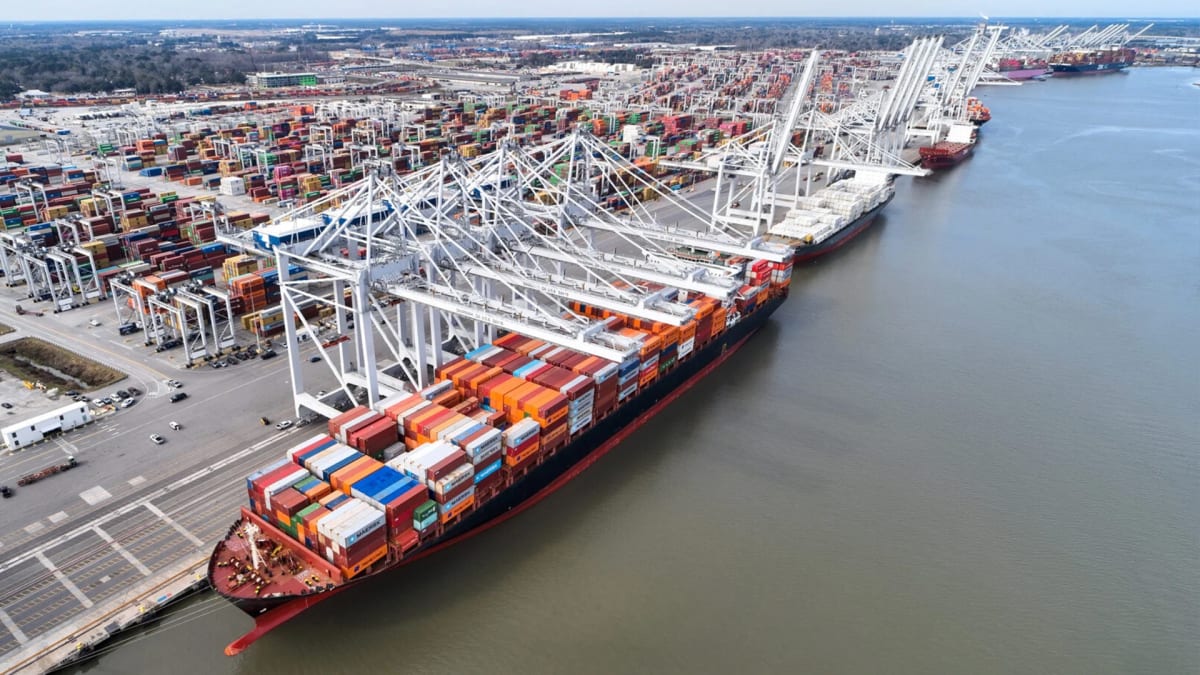
Georgia’s poultry industry has always been more than dinner. Now, it is also a global logistics story, with frozen cargo moving from rural producers to the Port of Savannah and out to the world.
Frozen poultry exports through the Port of Savannah climbed 8.5% over the past year, according to Georgia Ports Authority, with the port handling 55,957 refrigerated container units during the 12-month period ending in February. In 2025, Savannah remained the nation’s top gateway for frozen poultry exports, accounting for 37% of all U.S. frozen poultry exports.
That is a lot of chicken with a passport.
The numbers matter because poultry is Georgia’s largest agricultural industry, and its reach depends on more than farms and processing plants. It depends on cold storage, refrigerated containers, inspection facilities, trucking routes, rail connections, and port access that can keep time-sensitive products moving without breaking the chain.
From North Georgia to the World
Georgia’s poultry production is heavily concentrated in the northeastern part of the state, including Hall, Franklin, Hart, and Madison counties. Those communities may be miles from the coast, but the Port of Savannah is a major part of their economic story. When frozen poultry moves efficiently through Savannah, it supports growers, processors, truckers, warehouse operators, logistics firms, and the rural economies built around them.
The port’s cold-chain capacity gives Georgia an edge. Savannah has about 3,600 powered slots for refrigerated containers, including nearly 3,400 rack positions and more than 200 chassis slots. That may not sound glamorous, but in export logistics, dependable refrigeration is the difference between a successful shipment and a very expensive problem.
Georgia Ports is also expanding its cold-chain infrastructure. A new $49.25 million U.S. Customs and Border Protection facility at Garden City Terminal doubles the size of the previous centralized examination station and expands refrigerated inspection capabilities. That means more products can be inspected on terminal instead of being trucked off-site, saving time and helping protect cargo quality.
Infrastructure With a Rural Payoff
The new Gainesville Inland Port adds another piece to the puzzle. Opened May 4, it gives North Georgia producers a direct rail option to Savannah, which could help reduce reliance on truck-only routes and make exports more efficient for poultry companies closer to the mountains than the marsh.
For the average Georgian, this may feel far removed from daily life. But the impact shows up in jobs, local tax bases, farm income, freight activity, and the state’s ability to compete in global markets. Ports do not just move goods. They connect hometown industries to buyers thousands of miles away.
So while frozen poultry exports may not have the sparkle of a tech ribbon cutting or the charm of a downtown festival, the story is deeply Georgia. It is agriculture, infrastructure, and global trade moving in the same refrigerated container.
Find more business, industry, and community resources here: https://gbj.com/community-organizations.
