



Fine Arts, Finer Futures!
In Georgia classrooms, the arts are getting a bigger seat at the academic table. State School Superintendent Richard Woods has announced a statewide effort through the Georgia Department of Education to expand fine arts instruction and create clearer academic and career pathways for students interested in music, visual art, theater, and creative technology.
The initiative reframes how the arts fit into the K-12 experience. Instead of living on the sidelines as electives, creative disciplines will function as real academic tracks that carry weight for college admissions, scholarships, and workforce preparation. The move also reflects a broader reality across Georgia, where film, television, music production, and digital media industries continue to grow and hire.
A Stronger Track for Creative Students
One of the biggest pieces of the plan introduces a Fine Arts Advanced Academic Pathway for high school students. The pathway gives students a structured way to pursue intensive arts coursework while staying aligned with college readiness standards.
At the same time, the state is pushing for a policy change tied to the HOPE Scholarship. Currently, many advanced fine arts classes offered through Advanced Placement, International Baccalaureate, and Cambridge Assessment International Education programs do not count toward the scholarship’s rigorous course requirements. Education officials are lobbying to change that so students pursuing advanced music, theater, or studio art courses are not penalized when applying for HOPE.
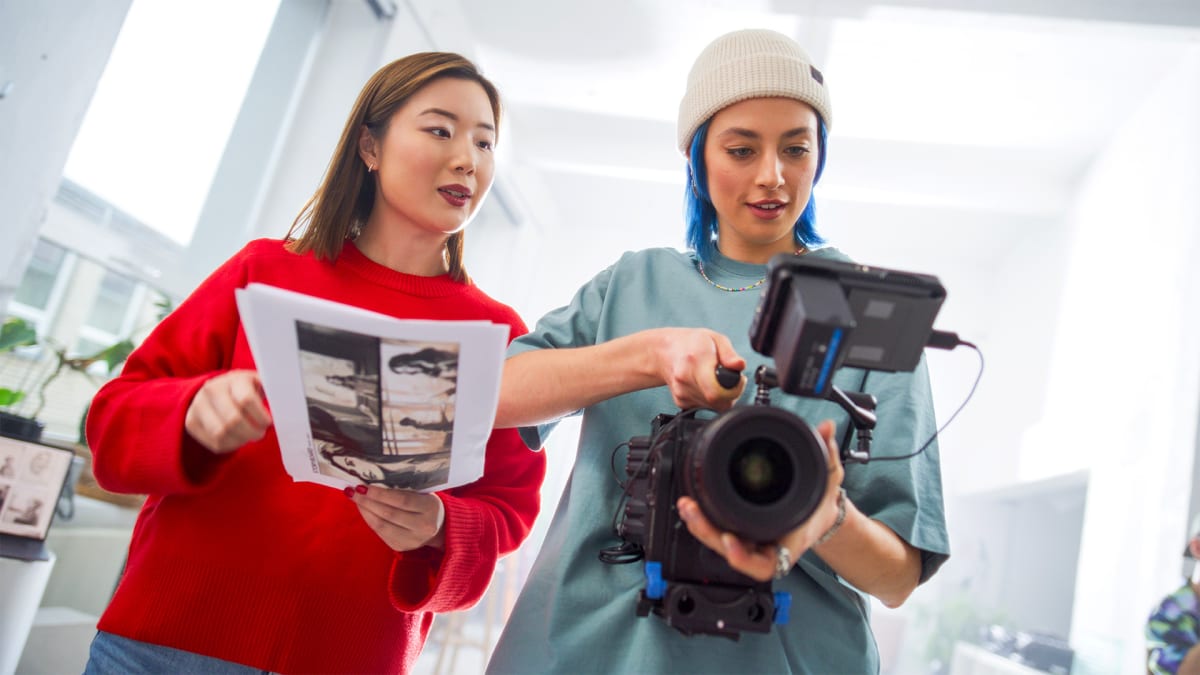
The state is also launching Creative Industries Pathways that connect fine arts with career technical training. The idea is to combine artistic practice with real production skills tied to Georgia’s booming entertainment economy. Course tracks may include:
- Audio and video production
- Film and television technology
- Live event and stage production
- Digital media and design
Those programs align with industries already thriving in Georgia, where studios, production crews, and media companies operate throughout metro Atlanta and across the state.
The effort reaches beyond high school hallways. State leaders are also asking lawmakers to adjust Georgia’s education funding formula so elementary schools can hire dedicated teachers for art, music, and physical education. The goal is straightforward: give students consistent access to creative disciplines from an early age while building a pipeline of talent for Georgia’s thriving film, music, and live production industries. In a state where creative work fuels a major part of the economy, the classroom is becoming the first place those skills take shape!
For more stories shaping classrooms and communities across Georgia, check out our guide at https://gbj.com/education-childcare.
