



The Next Factory Boom Is Electric!
Georgia spent years building a reputation around electric vehicles and batteries. Now the next wave is arriving: factories making the equipment that stores, controls and moves the electricity behind them.
The Supply Chain Is Getting Longer
Two August announcements, one week apart, offer a useful glimpse at where Georgia manufacturing may be headed next.
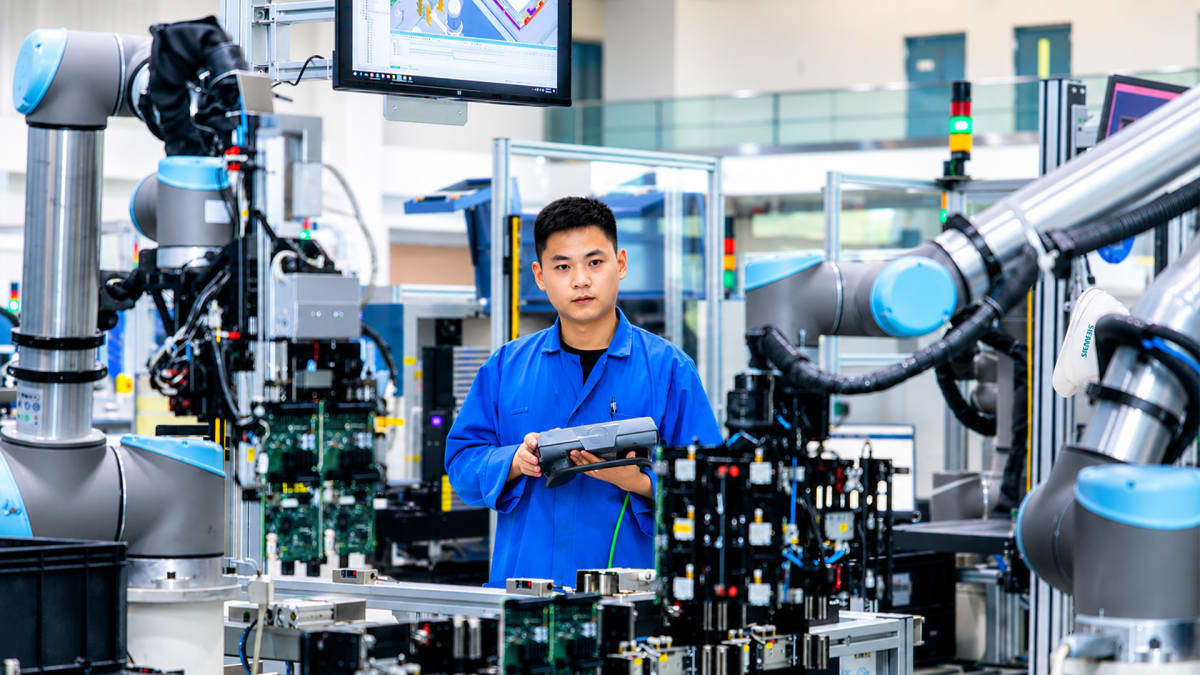
On Aug. 7, the state announced that Siemens plans a new advanced manufacturing facility in Pendergrass. The roughly 550,000-square-foot Jackson County plant will manufacture low-voltage electrical components, with more than 1,400 jobs and at least $185 million in investment planned over three years.
Hiring for engineering, fabrication, assembly and testing is expected to begin in 2027. Those job descriptions matter because they point toward a manufacturing economy requiring more than production capacity. It needs specialized workers who understand the increasingly complicated hardware behind electrification.
Then, on Aug. 14, DeltaX announced its North American manufacturing headquarters in Monroe. The $141 million Walton County project is expected to create approximately 250 jobs and begin with a 100,000-square-foot facility assembling battery energy storage systems.
Those systems can serve utility projects, renewable energy installations, commercial and industrial operations and AI data centers. In other words, the battery business is increasingly about what happens well beyond the vehicle.
From Electric Cars to an Electric Economy
Georgia already has a considerable head start. The state’s automotive and electric-vehicle industry has attracted manufacturers, suppliers and major battery investments, creating an industrial network with increasingly deep roots.
In Jackson County alone, SK Battery America had already surpassed its original hiring commitment by 2023 and was on track to employ 3,000 workers at its Commerce operation.
That existing base helps put the Siemens and DeltaX projects into context. Georgia is no longer attracting only the companies making electric vehicles and the batteries inside them. It is also landing businesses that manufacture electrical controls, energy-storage systems and other infrastructure needed as homes, factories, utilities and data centers become more dependent on electricity.
The interesting story, then, is less about two new factories than the ecosystem forming around them. Battery expertise, electrical manufacturing, workforce training and a growing supplier network are beginning to overlap.
Georgia spent years learning to build the battery. Now it is learning to build what the battery plugs into.
For a closer look at the companies making things across the state, explore the Georgia Business Journal directory at https://gbj.com/manufacturing.
