



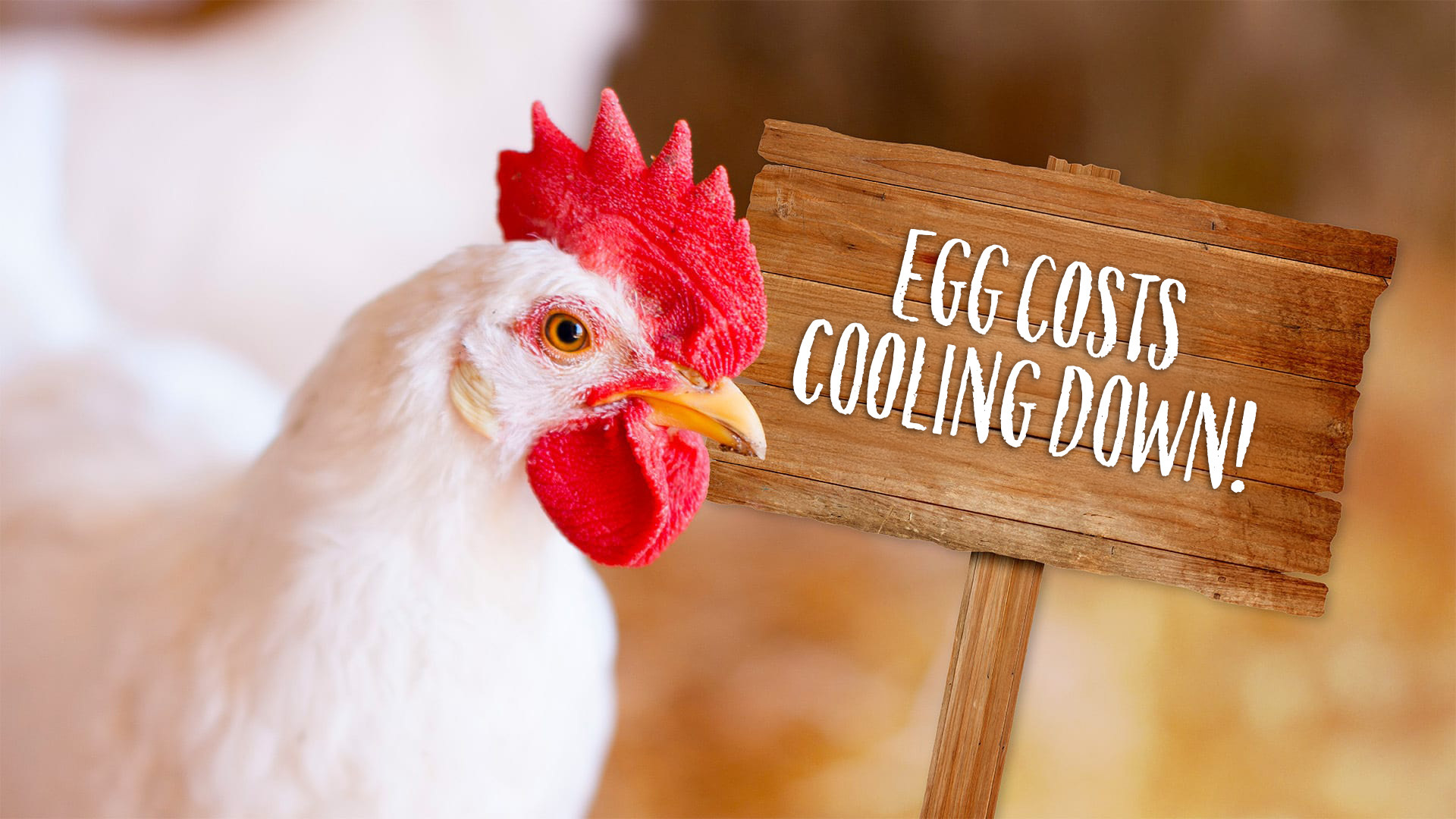
Egg Prices Starting to Crack!
Egg prices are finally trending down—but if you’ve checked out at Publix lately, you wouldn’t know it. That’s because while wholesale costs have dropped significantly, retail prices across Georgia are still catching up. The shelves are fuller, and poultry events are back on the calendar, but for Georgia’s poultry industry, this isn’t a victory lap. It’s a holding pattern.
Back on February 10, the Georgia Department of Agriculture officially lifted its suspension of live bird events and released the quarantine zone surrounding two commercial farms in Elbert County. That ended weeks of emergency containment measures following the January 17 confirmation of Highly Pathogenic Avian Influenza (HPAI). The virus didn’t spread, no contaminated birds entered the food supply, and more than 49,000 chickens were tested statewide to prove it. But the economic ripple? Still flapping its wings.
Wholesale Prices Are Down. Grocery Prices? Not Yet.
Let’s untangle this!
According to the USDA Egg Markets Overview, wholesale egg prices dropped from $8.05 per dozen in late February to $4.15 by mid-March—a roughly 50% drop. That’s great news for bulk buyers and supply chains. But as experts note, retail prices often lag, especially when stores are still selling through stock bought at peak prices.
In Georgia, retail prices were still averaging between $6 and $7 per dozen as of mid-April. So while the market’s moving in the right direction, shoppers might not see meaningful savings for a few more weeks.
Back in Business, But Not Back to Normal
Poultry operations across Georgia are up and running—but caution hasn’t gone anywhere. Testing’s still going strong at the Georgia Poultry Lab in Gainesville, along with UGA’s vet labs in Athens and Tifton. These are the folks swabbing beaks and scanning samples to make sure no new outbreaks slip through.
That matters beyond Georgia. Countries like Mexico and Canada are among the biggest importers of U.S. poultry—and they don’t hesitate to pause trade if an outbreak pops up. Meanwhile, producers like Aviagen in Quitman are holding the line with:
- Up to 1.1 million eggs set weekly
- Exports to 80+ countries
- Biosecurity protocols that include ozonated air, sealed surfaces, and separate HVAC systems for each room
It’s all part of keeping Georgia ranked #1 in U.S. broiler production, with poultry contributing over $28 billion annually to the state’s economy.
What’s Next: Scrambled, but Stabilizing
Trying to keep your grocery bill in check? Here’s how to make your dozen last:
- Gainesville farmers markets often beat big-chain prices!
- Backyard bartering is alive and well (know someone with hens? Bring baked goods).
- Store-brand eggs at Kroger, Publix, and Ingles are often the cheapest carton.
- Digital coupons and rebate apps like Ibotta can take the sting out of checkout.
It’s getting better—and with stronger flocks, steadier prices, and local farms stepping up, Georgia’s egg game is getting back on track—with time. Wanna find more hometown heroes in agriculture? Check out www.gbj.com/fresh-produce-farmers-markets!
